 Peter Viertel - Born November 16, 1920 in Dresden, Germany. Died November 4, 2007 in Marbella, Spain.
Peter Viertel - Born November 16, 1920 in Dresden, Germany. Died November 4, 2007 in Marbella, Spain.
Peter Viertel - Born November 16, 1920 in Dresden, Germany. Died November 4, 2007 in Marbella, Spain.
Salka Viertel 1889 - 1978
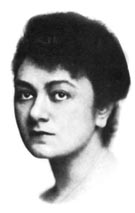
Photo from Salka Viertel memoir,
The Kindness of Strangers, 1969
Peter Viertel's Mother - Salka Viertel
(Also credited as Salka Steuermann, maiden name.)
Born 1889, in Sambor, Poland, one of four children.
Died October 20, 1978 in Klosters, Switzerland..
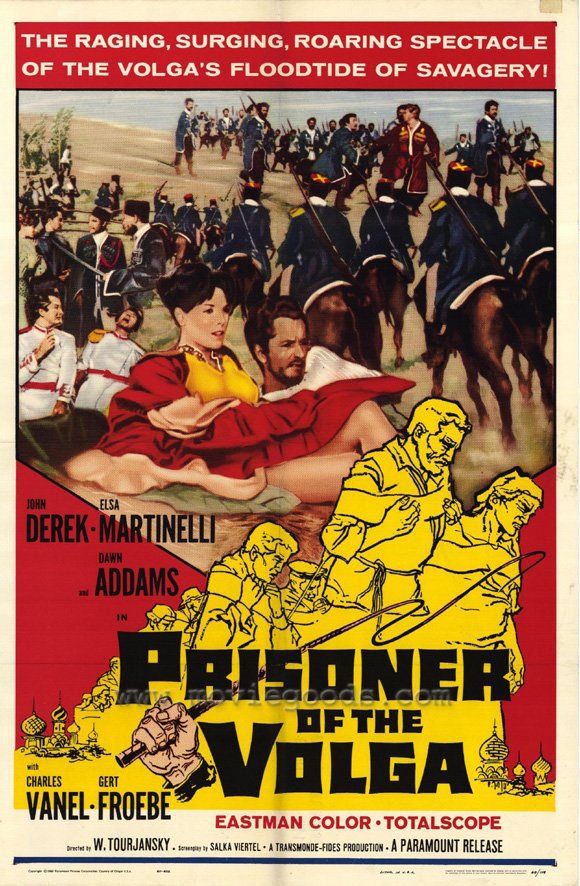
Poster from moviegoods.com
Prisoner of the Volga
I Battellieri del Volga, 1958
(Les Bateliers de la Volga, Les (France);
Prisoner of the Volga; Wolgaschiffer (West Germany)
Deep Valley, 1947
Two-Faced Woman , 1941
Conquest , 1937
Anna Karenina, 1935
The Painted Veil, 1934
Queen Christina, 1933 (also story)
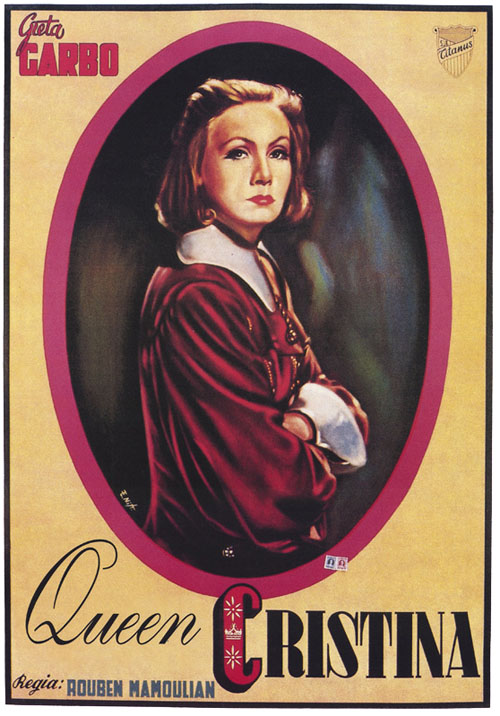
Poster from moviegoods.com
Die Heilige Flamme, 1931
Anna Christie, 1930
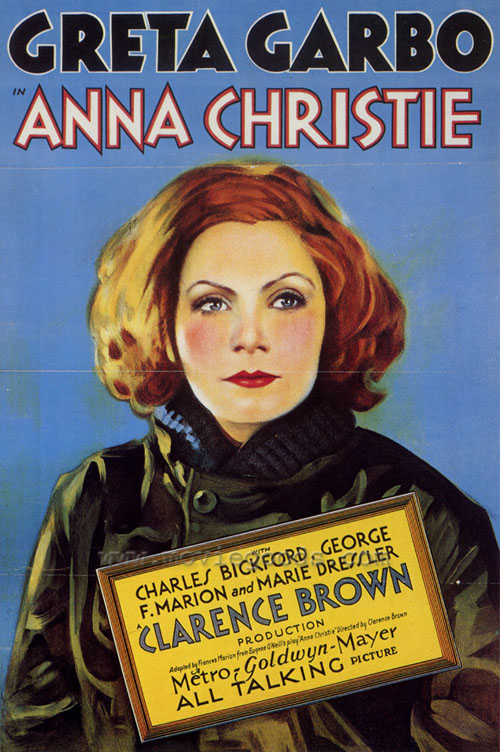
Poster from moviegoods.com
To view a pair of pages discussing Hollywood, Greta Garbo, etc.,
from The Kindness of Strangers, click on the image below:
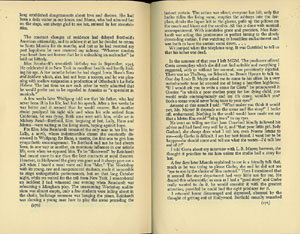
[The pages in the image above excerpted below;]
"The constant changes of residence had delayed Berthold's American citizenship, and to achieve it at last he decided to return to Santa Monica for six months, and just as he had resented my past happiness he now resented my sadness. "Whoever touches your heart does not foresee that he is unleashing an avalanche" he told me bitterly.
Max Reinhardt's seventieth birthday was in September. He celebrated it in New York in excellent health and hardly looked his age. A few months before he had staged Irwin Shaw's Sons and Soldiers which, alas, had not been a success, and he was planning with mellow resignation a production of Offenbach's La Belle Helene. The last time we saw each other he wryly admitted that he would prefer not to be regarded in America as "a specialist in musicals."
A few weeks later Wolfgang told me that his father, who had never been ill in his life, had lost his speech. After a few weeks he was better and it seemed that he would recover. But another stroke paralyzed his right side and when his wife arrived from California, he was dying. Both sons were with him, while we in Mabery Road-Berthold, Else, forgiving at last, Lally, Hans and Mama were waiting in the living room, hoping against hope.
For Else, Max Reinhardt remained the only man in her life; for Lally, a myth, whose indestructible charm she constantly discovered in Volfgang for Hans, a master, the first one to give him sympathetic encouragement. To Berthoki and me he had always been, in one way or another, an enormous influence in our artistic life, even when we opposed him. To be "discovered" by Reinhardt had meant more to me than the best contracts at royal theaters. However, in Hollywood the glory was gone and it always gave me a jolt when I heard a nasal voice call him "Max." The Workshop
with its young, raw and inexperienced students, made it impossible to stage unforgettable performances, but on that long October night, while we waited for the call from New York, I remembered an incident I had witnessed one evening when Reinhardt was rehearsing a Maugham play.The unassuming Workshop - auditorium was almost empty, only a few students were lolling about in the chairs, backstage someone was banging the piano. Reinhardt was showing a young man how to play the scene proceeded the last-act curtain. The action was silent; everyone has left, only the butler tidies the living room, empties the ashtrays into the fire place, drinks the liquor left in the glasses, puffs up the pillows on the couch and blows out the candles. All this is done with musical. accompaniment. With inimitable grace and precision, Max Rein- hardt was acting this pantomime in perfect timing to the slowly descending curtain. I was watching in breathless enchantment and was loath to have the curtain come down.
We jumped when the telephone rang. It was Gottfried to tell us that his father was dead.
In the summer of that year I left MOM. The producers offered Greta screenplays which she did not find suitable and everything I suggested, with or without her consent, was persistently rejected. There was no Thalberg, no Selznick, no Bernie Hyman to talk to. One day Louis B. Mayer asked me to come to his office. In a very melodramatic tone he accused me of being a heartless highbrow. "If I would ask you to write a scene for Greta - he pronounced it 'Greeter' - in which a poor mother prays for her dying child, you would smile contemptuously and say it's corny, wouldn't you? Such a scene would never bring tears to your eyes!"
Amazed at this assault I said: "'What makes you think it would not, Mr. Mayer? It depends on the scene and the story!" I broke off, embarrassed. Nothing in the world would have made me say that a Metro film could "bring tears" to my eyes.
He went on telling me that Joan Crawford blindly followed his advice and had fared very well by it, and "that poor little girl, Judy Garland, she always does what I tell her; even Norma listens to me - only Garbo is difficult I am her best friend. I want her to be happy-she should come and tell me what she wants - I'd talk her out of it!"
I told Greta about my interview with L. B. Mayer; however, she thought it pointless to see him unless the studio had a story for her.
A few days later Mannix explained to me in a friendly talk that, much as he was trying to please Garbo, she and he did not see "eye to eye in the choice of film material?' Then I mentioned that it seemed the story department had very little use for me. lie denied this vehemently: as soon as I had a "good story" and Garbo really wanted to do it, he would consider it with the greatest attention, provided he could find the right producer for it."
Wikipedia Biography page here
The IMDB mini-bio page is here.
For further information, visit the German Exiles in Southern California web site here
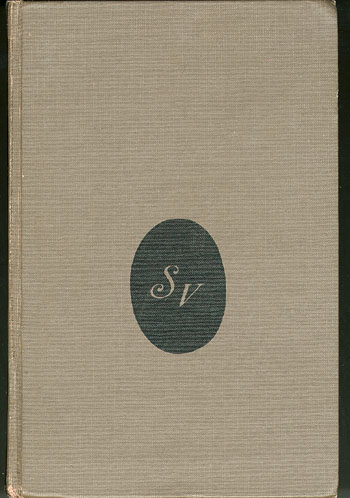
The Kindness of Strangers
Published 1969 by
Holt, Rinehart and Winston of Canada
Library of Congress card number 69-11801
338 pages
Site by
Erik Weems